Rainbow Mandala: A Friendly Display Font for Web & Digital Design
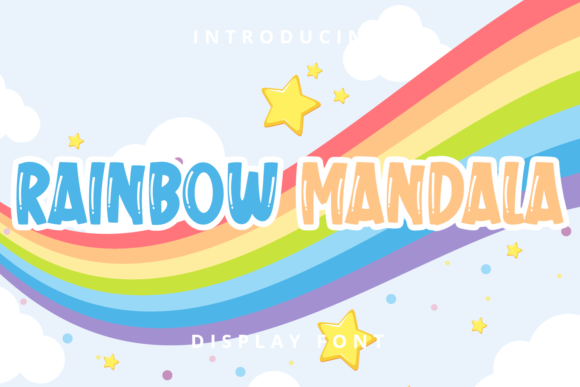
As a web designer, I constantly search for display fonts that inject genuine personality into a layout without compromising visual clarity. Rainbow Mandala is a cute and friendly display font that blends rounded, decorative letterforms with a soft, handcrafted spirit. That approachable charm makes it a standout choice in a sea of impersonal typefaces. Whether you are refining a hero section for a coaching website, designing a boutique online store, or building a digital invitation suite, Rainbow Mandala has the flexibility to become your go-to typeface for headlines, accent text, and brand-focused moments.
Rainbow Mandala for Cheerful Website Hero Headers
Rainbow Mandala is a display font that instantly warms up any hero header. When visitors land on a creative portfolio, a product launch page, or a lifestyle blog, the first few words set the tone for everything that follows. A friendly, hand-drawn feel can replace corporate sterility with genuine approachability. I often use Rainbow Mandala in the main hero title paired with a short subtitle in a lightweight sans serif. The rounded terminals and playful geometry draw the eye, making it easier to guide users toward a call-to-action. For digital product creators, this means better first impressions and a subtle lift in engagement. Because the font is naturally decorative, it works best when the message is concise—think “Handmade with love” or “Let’s create together.” The visual softness signals inclusivity and warmth, which strengthens brand recall without feeling gimmicky.
Using Rainbow Mandala to Strengthen Visual Hierarchy and Brand Tone
Rainbow Mandala, as a versatile display font, does more than decorate—it actively shapes how people scan a page. In a conversion-focused layout, clear visual hierarchy is non‑negotiable, and a distinctive display typeface can become the anchor point for the most important information. I typically set main headings in Rainbow Mandala and push supporting body copy into a highly legible sans serif. The contrast in weight and style creates a natural entry point: the eye goes straight to the decorative header, then flows into the plain‑text details. This rhythm reduces cognitive load and boosts readability on both desktop and mobile screens. Beyond structure, the font’s personality carries brand tone. A design that feels cute and friendly communicates approachability, which is incredibly valuable for coaches, course creators, makers, and anyone selling a personal touch. When the same typeface appears consistently across landing pages, email banners, and social media graphics, it reinforces a cohesive online identity that builds trust over time.
Rainbow Mandala Font Pairing for Web Designers
Rainbow Mandala works beautifully as a headline font, but pairing it correctly unlocks its full potential in web design. Because this is a decorative display typeface, it needs a quiet partner. I pair Rainbow Mandala with a clean, open‑aperture sans serif such as Inter, Open Sans, or Lato for body text. This combination keeps long-form readability intact while letting the headings sing. For a more editorial digital product look, a neutral serif like Source Serif or Merriweather creates a lovely contrast—playful meets refined. A practical pairing example:
- Headings & accent text: Rainbow Mandala in 2.5rem to 4rem
- Body copy: Inter Regular at 16–18px with 1.6 line-height
- Buttons & UI elements: Inter Medium or Semi Bold; use Rainbow Mandala only for micro‑accent words like “save” or “free” if the size allows
This approach keeps the fonts library lean, maintains brand identity, and ensures that the cute personality of Rainbow Mandala never overwhelms the message. The font also shines as logo text, in workshop badges, or in subtle decorative pull quotes. Designers who build digital assets for clients will appreciate how a single creative font can anchor an entire visual kit when paired thoughtfully.
Rainbow Mandala for Online Store Banners and Product Highlight Sections
Running an online store means every pixel competes for attention, and Rainbow Mandala as a display font can shift the mood instantly. For shops selling handmade goods, children’s items, craft supplies, or wellness products, a friendly typeface transforms promotional banners and category headers from transactional to personal. I often use Rainbow Mandala on sale announcement bars, featured product sections, and category hero images. The soft, rounded shapes feel genuine, which nudges visitors to explore further. Because the font is inherently eye‑catching, it works remarkably well on dark backgrounds with a light, airy colour—or over a subtle image overlay. However, I avoid using it in small product descriptions or checkout details. Reserve Rainbow Mandala for large, short bursts of text where you want to reinforce brand warmth and encourage click‑throughs. The result is a consistent online identity that feels more like a friendly corner shop than a faceless catalogue, driving conversions through genuine emotional connection.
Readability and Mobile Responsiveness Tips for Rainbow Mandala
Every web designer knows that display fonts require careful handling on mobile screens. Rainbow Mandala is no exception. Its decorative strokes, while charming at large sizes, can collapse into illegibility when scaled below a certain threshold—especially on smaller viewports. My rule of thumb is to never set Rainbow Mandala below 1.5rem in a web layout. For hero titles on mobile, I keep it between 2rem and 2.8rem, with generous line‑height (1.3 to 1.4) to prevent letters from touching. Contrast is equally critical. On light backgrounds, a deep charcoal or on-brand colour keeps the letterforms crisp; on dark backgrounds, I add a soft text‑shadow or place the text over a semi‑transparent overlay to maintain readability. When embedding the font via @font‑face, WOFF2 format ensures fast loading without sacrificing quality. Responsive scaling with CSS clamp() can dynamically adjust sizes, giving fine control across devices. With these practices, Rainbow Mandala remains a joyful and readable asset—not a source of friction—on every screen.
Rainbow Mandala for Digital Greeting Cards, Presentations, and Beyond
Beyond the website, Rainbow Mandala extends a brand’s personality into digital greeting cards, slide decks, and social media graphics. As a digital product creator, I often reuse a single display font across multiple touchpoints to maintain recognition. Rainbow Mandala fits effortlessly into email newsletter headers, online invitation suites, event landing pages, and presentation title slides. Its cute and friendly character brings a celebratory feel to workshop announcements, webinar slide decks, and downloadable thank‑you cards. Because the font is already a core part of a brand kit, using it in these collateral pieces reinforces visual consistency. It also saves design time—no need to hunt for a separate craft‑style font when one typeface already carries the brand tone. Whether you are designing a digital product launch, a coaching programme sales page, or a birthday campaign for a boutique, Rainbow Mandala helps unify your visual language in a genuinely approachable way.
Commercial Licensing and Webfont Integration for Client Projects
Before you make Rainbow Mandala a permanent part of your digital toolkit, it is essential to secure the right commercial font licensing. Many premium fonts require a specific webfont license for embedding on a live site, while desktop licenses cover design mockups and print. When delivering client projects—be it a landing page, a full online store, or a packaged digital template—using properly licensed display fonts protects both your work and your client’s brand. Check whether the font package includes WOFF2 files, alternate glyphs, and multilingual support if your projects span different languages. If a webfont kit is available, integration is straightforward through @font‑face or a managed service. With licensing in place, you can confidently build brand assets, knowing the cute, friendly character of Rainbow Mandala will perform consistently across browsers and devices while keeping your design practice legally sound.